Trip Info
-
Domestic flights (Kathmandu-Nepalgunj-Juphal), ground transport in Kathmandu.
-
Minimum 2 to maximum 12 people.
-
Teahouse/lodge during the trek; hotels in Kathmandu and Nepalgunj.
-
5,220 meters at Jyanta La Pass.
-
High fitness level required for long trekking days and high altitudes.
-
Day 1 in Kathmandu (1,300m).
-
Day 25 from Kathmandu (1,300m).
-
Spring (April-June) and Autumn (September-November).
-
Professional, licensed trekking guide and support staff.
-
Fully guided trekking expedition.
-
English-speaking guides.
-
Breakfast, lunch, and dinner provided during the trek.
-
Upper Dolpo Restricted Area Permit, Annapurna Conservation Area Permit (ACAP)
About Upper Dolpo Trek
The Upper Dolpo Trek is an extraordinary adventure that leads trekkers through one of Nepal’s most secluded and culturally rich regions. Situated in the northwestern part of the country, near the Tibetan border, Dolpo offers a unique blend of stunning landscapes, ancient culture, and remote wilderness. This trek is renowned for its untouched beauty, high-altitude passes, and the opportunity to experience traditional Tibetan culture.
Geography and Climate
Dolpo lies in the northwestern region of Nepal, adjacent to Tibet. It is characterized by its rugged terrain, high-altitude plateaus, and deep valleys. The region is part of the larger Dolpa district and is known for its dramatic landscapes, including the pristine Phoksundo Lake and the barren, desert-like high-altitude areas.
The climate in Upper Dolpo varies with altitude. At lower elevations, the weather is relatively mild, while higher altitudes experience colder temperatures and more severe weather conditions. The best times to trek are late spring (April to June) and autumn (September to November), when the weather is more stable and conducive for trekking.
Cultural Significance
Upper Dolpo is culturally unique, with strong influences from Tibetan Buddhism. The region is home to several ancient monasteries, traditional villages, and cultural practices that have remained largely unchanged for centuries. The local people, known as Dolpo Pas, maintain a lifestyle that is deeply connected to their Tibetan heritage. They practice Buddhism and celebrate traditional festivals that reflect their spiritual and cultural values.
Highlights of the Trek
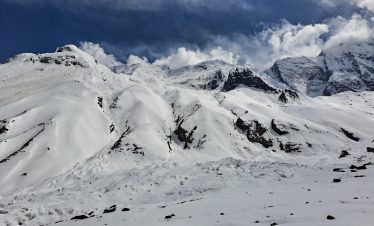
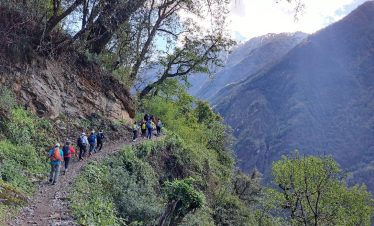
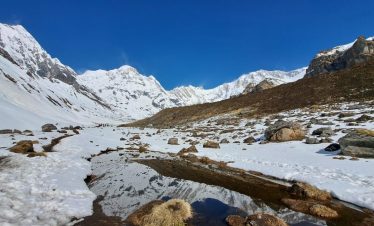
- Stunning Landscapes: The trek offers a diverse range of landscapes, from lush valleys and dense forests to barren, high-altitude plateaus. The views of the Himalayas, including the Dhaulagiri and Kanjiroba ranges, are spectacular.
- Phoksundo Lake: One of the most iconic features of the trek, Phoksundo Lake is the deepest lake in Nepal. Its turquoise waters are surrounded by towering cliffs and snow-capped peaks, creating a breathtaking and serene environment.
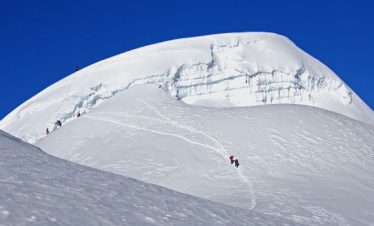
- High-Altitude Passes: The trek involves crossing several high-altitude passes, including the Numa La and Baga La passes. These passes offer panoramic views of the surrounding mountains and valleys.
- Ancient Monasteries: The region is home to several ancient Tibetan Buddhist monasteries, including Shey Monastery. These monasteries are not only religious centers but also important cultural and historical sites.
- Remote Villages: Trekking through remote villages such as Ringmo provides insight into the traditional lifestyle of the Dolpo Pas. These villages are characterized by their traditional Tibetan-style houses and unique cultural practices.
Challenges and Preparation
The Upper Dolpo Trek is considered moderate to challenging due to its high altitude and rugged terrain. Trekkers need to be in good physical condition and should be prepared for a range of weather conditions. Acclimatization is essential to prevent altitude sickness, and trekkers should be prepared for both cold temperatures and intense sun exposure.
Permits are required for the trek, including the Upper Dolpo Restricted Area Permit and the Annapurna Conservation Area Permit. These permits are necessary to access the restricted and protected areas of Dolpo.
Cultural and Environmental Responsibility
Respect for local culture and the environment is crucial during the trek. Trekkers should be mindful of local customs, seek permission before photographing religious sites, and participate in local rituals with respect. Additionally, following Leave No Trace principles is important to minimize the impact on the fragile environment of Dolpo. This includes packing out all waste, using environmentally-friendly products, and respecting wildlife and natural habitats.
Trip Highlights
- Phoksundo Lake: Nepal's deepest lake, renowned for its striking turquoise waters and dramatic mountain backdrop.
- Shey Monastery: An ancient Tibetan monastery with significant religious and historical artifacts.
- Remote Villages: Traditional Tibetan-style villages like Ringmo and Tarakot offering authentic cultural experiences.
- High-Altitude Passes: Challenging passes such as Numa La and Baga La with stunning panoramic views.
- Diverse Landscapes: From lush valleys to high-altitude deserts, showcasing the region's varied and rugged terrain.