Essential information
The Annapurna Base Camp (ABC) Trek is one of the most popular treks in Nepal, offering a diverse and stunning experience of the Himalayas. From the bustling streets of Kathmandu to the lush forests and pristine mountain views of the Annapurna region, this trek offers something for every type of adventurer. This essential information guide will provide you with a comprehensive overview of the Annapurna Base Camp Trek, including necessary details on preparation, safety, permits, accommodation, and what to expect along the way.
1. Location and Overview of Annapurna Base Camp
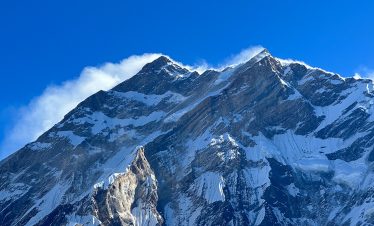
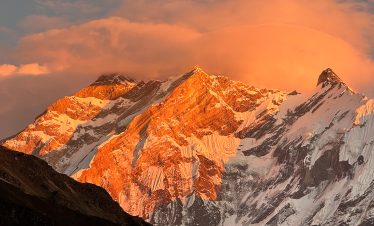
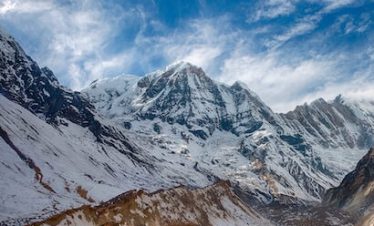
Annapurna Base Camp (ABC) is located at an altitude of 4,130 meters (13,550 feet) in the Annapurna region of Nepal. The trek takes you through diverse landscapes, ranging from subtropical forests to alpine meadows, offering views of some of the most iconic peaks in the world, including Annapurna I (8,091 meters), Annapurna South (7,219 meters), Machhapuchhre (6,993 meters), and several other Himalayan giants.
The ABC trek is known for its well-maintained trails, teahouses, and the accessibility it offers to trekkers. The trek does not require technical climbing experience, making it suitable for both seasoned trekkers and beginners with a reasonable level of fitness.
2. Trekking Duration and Altitude
The ABC trek generally takes 7 to 12 days, depending on the pace and any rest days you may choose to take. The altitude gain is gradual, with the highest point being Annapurna Base Camp at 4,130 meters. However, altitude sickness is still a risk, and trekkers are advised to take precautions and allow time for acclimatization along the route.
Here’s a general guide on what to expect:
- Kathmandu to Pokhara: A 6-7 hour drive or 25-minute flight.
- Pokhara to Ghandruk: 3–4 hours by jeep or private vehicle, followed by trekking for 3-4 hours.
- Ghandruk to Sinuwa: 6-7 hours of trekking.
- Sinuwa to Deurali: 6-7 hours of trekking.
- Deurali to Annapurna Base Camp: 5 hours of trekking.
- Descent from Base Camp: 6–7 hours from ABC to Sinuwa, followed by the trek to Jhinu.
The trek involves various stops at different altitudes that give trekkers a chance to acclimatize.
3. Best Time to Trek Annapurna Base Camp
The ideal time to trek Annapurna Base Camp is during the spring (March to May) and autumn (September to November). These seasons offer clear skies, mild temperatures, and stable weather conditions, making the trekking experience more enjoyable.
- Spring (March to May): This is the peak trekking season. The temperatures are moderate, and the trekking conditions are perfect. The rhododendron forests along the way are in full bloom, creating a colorful and scenic backdrop.
- Autumn (September to November): This season is another excellent time to trek, with clear skies and great visibility. The temperatures are cool, and the days are sunny, with chilly nights in the higher altitudes.
While trekking in the winter (December to February) is possible, it can be quite cold, and some higher sections of the trail might be blocked by snow. The monsoon season (June to August) is the least favorable, as heavy rainfall can make trails slippery and increase the risk of landslides.
4. Physical Preparation and Fitness Level
The Annapurna Base Camp Trek is classified as moderate in terms of difficulty. Trekkers should have a good level of fitness and be prepared to walk for 5-7 hours per day over uneven and at times steep terrain. A physical preparation plan should focus on building stamina, strength, and endurance.
Key training elements include:
- Cardio fitness: Engaging in activities like running, hiking, cycling, or swimming can improve your cardiovascular endurance.
- Leg strength: Hiking or stair climbing is essential for strengthening the quads, calves, and hamstrings.
- Endurance: Increase your walking distance over time to adapt to the demands of the trek.
Though it’s not necessary to have previous trekking experience, prior knowledge of mountain hiking can be beneficial. Also, spending some time at higher altitudes before the trek can help you acclimatize more easily.
5. Permits and Documentation
Trekking in the Annapurna Conservation Area requires a few permits. These permits are necessary for maintaining the environment, infrastructure, and the safety of trekkers.
- Annapurna Conservation Area Permit (ACAP): This permit is required for all trekkers in the Annapurna region. It can be obtained in Pokhara or Kathmandu at the Nepal Tourism Board.
- Trekkers’ Information Management System (TIMS) Card: This card is mandatory for all trekkers. It helps the authorities track trekkers in the region for safety and emergency purposes.
These permits are usually arranged by your trekking agency, and the costs are included in the trekking package.
6. Accommodation During the Trek
Throughout the Annapurna Base Camp Trek, accommodation is provided in local teahouses and lodges. These teahouses offer basic but comfortable amenities, including a bed, blanket, and a shared bathroom.
As the trek progresses, the accommodation quality may decrease slightly as you ascend, but the warmth and hospitality of the teahouse owners make up for any lack of luxury. Some teahouses may offer Wi-Fi (for a small fee), charging facilities, and hot showers (though these are rare at higher altitudes).
At the Base Camp, accommodation is limited to simple teahouses or trekking lodges. Expect to sleep in dormitory-style rooms with shared facilities. The lodges also provide hearty meals to help you stay energized for the trek ahead.
7. Food and Meals on the Trek
Food on the Annapurna Base Camp Trek is mainly local Nepali cuisine, and meals are provided at teahouses along the route. Dishes like dal bhat (lentil soup with rice), momo (dumplings), noodles, and sherpa stew are common. As you ascend, the food options become more limited, but there will still be a good range of hearty, nutritious meals.
Vegetarian and vegan options are available throughout the trek, and it’s important to communicate dietary preferences to your guide ahead of time. Keep in mind that high-altitude trekking can make you lose your appetite, so consuming high-energy, easy-to-digest food is important.
In addition to regular meals, trekkers can also find snacks like chocolate, nuts, energy bars, and biscuits at the teahouses.
8. Safety and Health Concerns
The trek is generally safe, but trekkers should be aware of certain risks such as altitude sickness, weather conditions, and injuries from falls.
- Altitude Sickness: The risk of altitude sickness increases as you climb higher. Symptoms can include dizziness, headaches, nausea, and shortness of breath. It’s crucial to stay hydrated, avoid alcohol, and take rest days if necessary. Your guide will monitor your condition and help with descent if needed.
- Proper Clothing and Gear: The weather in the Annapurna region can be unpredictable, especially in the higher altitudes. Wearing layers of clothing is recommended, and trekking boots, a good quality jacket, warm hats, gloves, and a sleeping bag rated for cold temperatures are essential for your comfort.
- Travel Insurance: Adequate travel insurance is necessary to cover health emergencies, trip cancellations, and evacuation costs in case of injury or altitude sickness. It is a good idea to have coverage for helicopter rescue or evacuation, as this can be costly in remote areas.
It’s also advisable to bring a small medical kit containing common medications such as painkillers, antiseptics, bandages, and medications for altitude sickness.
9. Local Culture and Customs
The Annapurna region is home to many ethnic groups, including the Gurung, Magar, and Thakali people. The culture of these communities is deeply rooted in Buddhism and Hinduism. Along the way, you will encounter gompas (monasteries), mani walls (stone walls inscribed with Buddhist mantras), and chortens (stupas) that reflect the spiritual life of the region.
Respect for local customs and traditions is important. When visiting religious sites, dress modestly and remove your shoes before entering. If you’re invited into a local home or monastery, it is polite to greet with a “Namaste” and offer small tokens of respect.
10. Environmental Considerations
The Annapurna region has been designated as a conservation area to protect its diverse flora and fauna. It is important to be conscious of your environmental impact while trekking. Ensure that you don’t leave any trash behind, stick to established trails, and avoid disturbing wildlife.
Eco-friendly practices, such as using refillable water bottles, not picking plants or flowers, and supporting sustainable teahouses, help preserve the beauty of the region for future trekkers.
11. Emergency and Communication
In the event of an emergency, it’s important to know that rescue services are available in the Annapurna region. The Nepalese government operates helicopter rescue services for trekkers suffering from altitude sickness or injuries. Your guide will carry a first-aid kit and be trained in basic emergency response.
In terms of communication, there are phone services in most villages along the route. In more remote areas, the signal can be unreliable, but it is generally possible to make calls from teahouses. Some teahouses also offer Wi-Fi, but expect slower speeds as you ascend.
12. Cost of the Trek
The total cost of the Annapurna Base Camp Trek depends on several factors, including whether you are joining a guided group trek or trekking independently. The cost covers permits, transportation, meals, accommodation, and the services of a guide and porter.
A guided trek generally costs between $600 to $1,000 USD, which includes most expenses except personal items, beverages, and tips. If you’re trekking independently, the cost might be lower, but this could also involve additional logistical effort and risk.