General Overview
The Annapurna Base Camp (ABC) Trek is one of Nepal’s most celebrated trekking routes, offering a blend of stunning natural beauty, rich cultural experiences, and a moderate challenge. This comprehensive guide provides all the essential information you need to prepare for this iconic trek, including logistical details, health considerations, cultural aspects, and more.
Region:
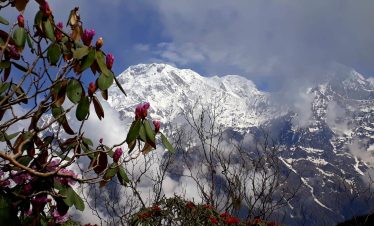
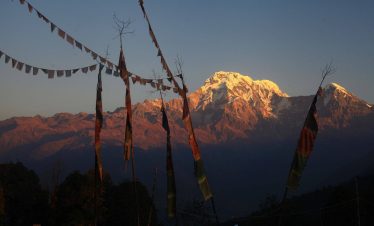
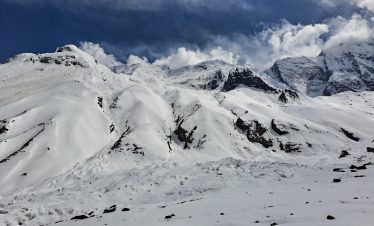
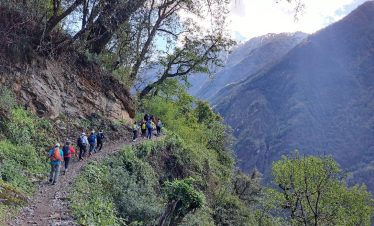
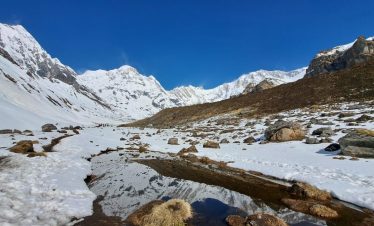
The Annapurna Base Camp Trek is situated in the Annapurna region of central Nepal, encompassing a variety of landscapes from lush forests to high-altitude alpine meadows. The trek takes you to the base camp of Annapurna I, the 10th highest mountain in the world, and offers spectacular views of the surrounding peaks, including Machapuchare (Fishtail) and Dhaulagiri.
Duration:
The trek typically lasts 1 to 7 days, including travel to and from the starting and ending points.
Maximum Elevation:
The highest point on the trek is Annapurna Base Camp at 4,130 meters (13,550 feet). This altitude is generally manageable for most trekkers, but altitude sickness precautions should still be observed.
Difficulty:
The trek is considered moderate in difficulty. It involves several hours of hiking each day with some steep ascents and descents. It is suitable for trekkers with a reasonable level of fitness.
Best Time to Trek:
The best times to undertake the ABC Trek are during the pre-monsoon spring (March to May) and post-monsoon autumn (September to November). During these periods, the weather is typically clear, providing excellent views and more stable conditions.
Permits and Regulations
Annapurna Conservation Area Permit (ACAP):
To enter the Annapurna Conservation Area, trekkers must obtain an ACAP permit. The cost is NPR 3,000 (approximately USD 25) for foreigners. This permit helps fund conservation efforts and park management in the region.
Trekkers Information Management System (TIMS) Card:
A TIMS card is required for safety and tracking purposes. It costs NPR 2,000 (approximately USD 15) for foreign trekkers. The TIMS card helps manage and monitor trekkers’ safety and emergency responses.
Acquisition:
Permits can be obtained through registered trekking agencies in Kathmandu or Pokhara. It’s advisable to arrange these in advance, though they can also be acquired upon arrival.
Accommodation
Teahouses and Lodges:
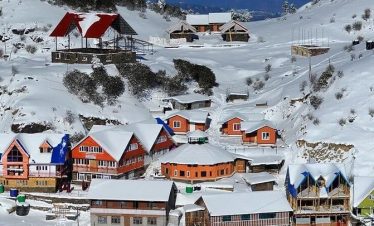
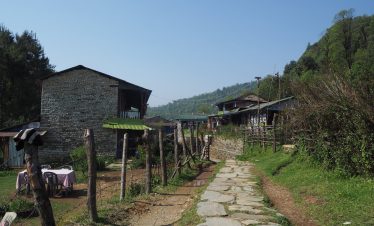
Accommodation along the trek is primarily in teahouses and lodges. These establishments offer basic amenities but are generally comfortable. Facilities include shared rooms with beds, blankets, and sometimes electricity (via solar or generator).
- Lower Altitudes: Accommodation is often in well-established teahouses with more amenities.
- Higher Altitudes: As you ascend, teahouses become more basic, with fewer facilities.
Hotels:
In Kathmandu and Pokhara, trekkers will stay in comfortable hotels with a range of amenities. These include private rooms, hot showers, and Wi-Fi.
Meals
During the Trek:
Meals on the trek are typically simple but nutritious, designed to meet the needs of trekkers.
- Breakfast: Common options include porridge, eggs, toast, pancakes, and tea or coffee.
- Lunch: Meals often consist of Dal Bhat (lentil soup with rice), noodles, soup, or pasta.
- Dinner: Dinner is usually Dal Bhat, along with other local dishes such as momo (dumplings), fried rice, or noodle soup.
Food Quality:
Food quality generally improves at lower altitudes, with a more varied menu. At higher altitudes, options may be more limited due to the logistical challenges of transporting supplies.
Transportation
To and From the Trek:
- Domestic Flights: The trek starts with a domestic flight from Kathmandu to Pokhara. These flights offer scenic views but can be subject to weather delays.
- Local Transport: From Pokhara, local transport (jeeps or private vehicles) is used to reach the trek’s starting point, typically Nayapul or another nearby location.
Return Journey:
After completing the trek, trekkers return to Pokhara by the same means and then take a flight back to Kathmandu.
Fitness and Health Considerations
Fitness Level:
A moderate level of fitness is required for the Annapurna Base Camp Trek. Trekkers should be prepared for several hours of hiking each day, with some steep ascents and descents. Training and preparation for the trek are advisable.
Acclimatization:
Proper acclimatization is crucial to prevent altitude sickness. The trek includes gradual altitude gains and acclimatization days. Symptoms of altitude sickness include headaches, nausea, and dizziness. Trekkers should be aware of these symptoms and be prepared to descend if necessary.
Health Precautions:
- First Aid Kit: Carry a personal first-aid kit with essentials, including medication for altitude sickness, pain relief, and gastrointestinal issues.
- Vaccinations: Consult with a healthcare provider for recommended vaccinations. Common vaccines include hepatitis A and B, typhoid, tetanus, and potentially rabies.
Travel Insurance:
Comprehensive travel insurance is essential, covering high-altitude trekking, medical emergencies, and evacuation. Ensure that the policy includes coverage for helicopter evacuation, which can be necessary in severe cases of altitude sickness or injury.
Environmental and Cultural Responsibility
Leave No Trace:
Trekkers should adhere to Leave No Trace principles to minimize their environmental impact. This includes packing out all trash, avoiding damage to vegetation, and using environmentally friendly products.
Respect Local Culture:
The Annapurna region is home to diverse ethnic groups, including the Gurung, Magar, and Thakali communities. Respect local customs, dress modestly, and ask for permission before taking photographs, especially in religious sites.
Support Local Economy:
Hiring local guides, porters, and staying in locally-run teahouses helps support the regional economy. Engage with the local community in a respectful manner and purchase goods and services from local vendors.
Guiding and Support
Guides and Porters:
A licensed guide is essential for the Annapurna Base Camp Trek. Guides provide valuable assistance with navigation, safety, and cultural insights. Porters are available to carry luggage, allowing trekkers to focus on enjoying the trek.
Group Size:
Typically, group sizes range from 2 to 16 people. Smaller groups can provide a more personalized experience, while larger groups may benefit from shared costs and resources.
Guiding Method:
The trek is fully guided, with a professional guide leading the group and managing logistics. Guides are knowledgeable about the route, local culture, and safety procedures.
Communication and Connectivity
Mobile Connectivity:
Mobile network coverage is available in most parts of the trek, although it can be limited in remote areas. Some teahouses offer Wi-Fi, though it may be slow and unreliable.
Emergency Communication:
In case of emergencies, satellite phones may be used. Ensure that you have a way to contact your guide or trek organizer in case of any issues.
Privacy Policy
Data Collection:
Personal information such as name, passport details, emergency contact information, and medical history is collected for booking and safety purposes.
Data Usage:
Your personal data is used solely for arranging the trek, including securing permits and organizing logistics. It will not be shared with third parties except for trip facilitation and safety management.
Confidentiality:
All data is stored securely and is accessible only to authorized personnel involved in trip management. We are committed to protecting your privacy and handling your data with care.
Consent:
By participating in the trek, you consent to the collection and use of your data as outlined in this policy.
FAQs
1. How challenging is the Annapurna Base Camp Trek?
The trek is moderately challenging, with several hours of hiking each day and some steep sections. Good fitness and preparation are essential.
2. What kind of food can I expect on the trek?
Meals include local dishes such as Dal Bhat, noodles, and soup. The variety of food may decrease as you ascend.
3. What if I experience altitude sickness?
Guides are trained to handle altitude sickness. Immediate descent to a lower altitude is the best remedy if symptoms occur.
4. Is travel insurance necessary?
Yes, comprehensive travel insurance that covers high-altitude trekking and evacuation is mandatory.
5. Can I use my mobile phone during the trek?
Mobile connectivity is available in many areas, but coverage may be limited in remote locations. Some teahouses offer Wi-Fi.
6. What is the cancellation policy?
Cancellation policies vary by operator. It is advisable to review and understand the terms at the time of booking.