Trip Info
-
Private Vehicle & Flight
-
Customizable ( Min.2 Pax)
-
5,545m (Kala Patthar)
-
Teahouses during the trek & Hotel in Kathmandu
-
Moderate to High
-
Kathmandu, Nepal
-
Kathmandu, Nepal
-
Spring (March-May), Autumn (September-November)
-
English-speaking guide (other languages available upon request)
-
Trekking
-
English (other languages on request)
-
Included during trek
-
Sagarmatha National Park Permit & TIMS Card
Overview
Mount Everest has a mystique, an allure. The highest mountain summit on our pale blue planet. The ultimate. The pinnacle. Whether your quest is to reach the actual summit or the base camp site of so many heroic climbing expeditions, there is a challenge the mountain places upon you.
The trek to Mount Everest Base Camp is challenging. This is not a walk in the park. But that is exactly why so many people take up the challenge every year. Challenge yourself. A personal achievement on a grand, Himalayan, scale.
The direct trek to Everest Base Camp takes you in the footsteps of every climber since Mallory, 100 years ago. But you will enjoy the advantage of flying to and from Lukla. The trail gains altitude rapidly to Namche Bazaar, and then on through Tengboche, Dingboche, Loboche, Gorak Chep, and then 5,160m Everest Base Camp itself. The final challenge, both altitude and personal, is the thin-air ascent of 5,545m Kala Patthar.
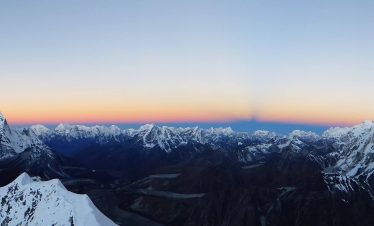
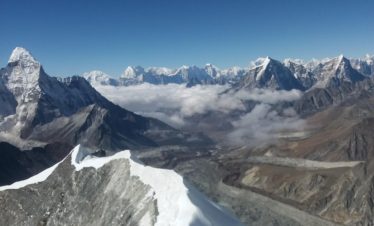
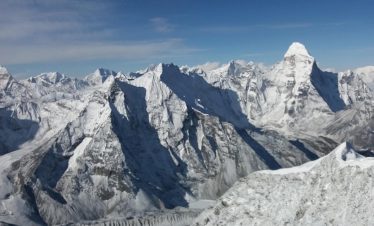
The day-by-day journey to Base Camp, is itself, a rich and rewarding experience. The landscape changes hour-by-hour and day-by-day, from valley forests to stark high alpine mountains and glaciers in 360-degree vistas. There are also wonderfully interesting villages, monasteries and teahouses to visit and vantage points with endless views to strive for.
This is the trek, the challenge, everyone thinks about at some point. So, challenge Mount Everest. Challenge yourself. Reward your soul. Trek to Mount Everest Base Camp.
Highlights
- Epic Altitude Challenge: Trek through iconic landmarks like Namche Bazaar, Tengboche, Dingboche, Loboche, and reach the summit of Kala Patthar at 5,545 meters for unparalleled views.
- Historic Trail: Follow the historic route taken by legendary climbers since George Mallory, experiencing the same awe-inspiring journey to Everest Base Camp.
- Stunning Scenery: Witness a dramatic landscape transformation from lush valley forests to stark high-altitude mountains and glaciers, with 360-degree vistas.
- Cultural Immersion: Explore fascinating villages, monasteries, and traditional teahouses, gaining insight into the local Sherpa culture and hospitality.
- Personal Achievement: Conquer the challenge of reaching Everest Base Camp, a monumental personal achievement on the world's highest mountain.
Itinerary
Welcome to Kathmandu, the capital of Nepal. The Langtang Ri Trekking & Expedition representative will greet you at the airport and transfer you to your hotel. After your refreshment you will be picked up from your hotel lobby and driven to our Thamel office where you will be formally introduced to your trekking guide. We will go through all your trek itinerary and arrangements with you to insurer every detail is in place. We will also ask to bring your passport, extra passport photographs and a copy of your travel insurance so that we can organize permits required for your trek in the Sagarmatha National Park.
Includes/Excludes
Cost Includes
- Airport pickup and drop-off service on your arrival and departure
- Three-star hotel accommodation on twin sharing basis in Kathmandu for three nights
- Upgrade lodge accommodation on the trekking
- All meals during the trip
- Kathmandu – Lukla – Kathmandu flight ticket
- All necessary permits for trekking
- A professional trekking guide for the trip
- Necessary number of porters for the trek
- Hot water bags/electric blankets for nights to warm up your body
- First aid kit and fresh fruits every after the dinner
- Four hot showers, down jackets, and sleeping bags during the trekking
- Kathmandu city tour with private vehicle
Cost Excludes
- International flight ticket and travel insurance
- Nepal visa fees
- any kind of drinks
- Gratuities
- All other expenses of personal nature and not mentioned in the “Includes” section
Fixed Departure
- January: 4th, 20th
- February: 5th, 21st
- March: 3rd, 19th
- April: 1st, 17th
- May: 5th, 21st
- September: 7th, 23rd
- October: 3rd, 19th
- November: 2nd, 18th
Each date marks the start of a 16-day adventure to Everest Base Camp. Thank you for your patience! 😊
Essential information
The Everest Base Camp Trek is one of the most iconic treks in the world, taking adventurers to the foot of the mighty Mount Everest, the highest peak on Earth. This trek offers stunning views, cultural experiences, and a profound sense of accomplishment. Below, you’ll find a detailed guide covering all essential information to help you prepare for this extraordinary journey.
General Information
Region:
The Everest Base Camp Trek is located in the Khumbu region of northeastern Nepal, within the Everest (Sagarmatha) National Park. This area is renowned for its dramatic landscapes, including the towering peaks of Mount Everest, Lhotse, and Nuptse, as well as picturesque Sherpa villages and ancient monasteries.
Duration:
The trek typically spans 16 days, including acclimatization and travel days. The journey includes several days of trekking to reach Everest Base Camp and return to Lukla.
Maximum Elevation:
The highest point of the trek is Everest Base Camp, situated at 5,364 meters (17,598 feet). This altitude presents a challenge but is accessible for well-prepared trekkers.
Difficulty:
The Everest Base Camp Trek is considered moderately difficult. Trekkers should be prepared for long days of hiking at high altitudes, with some steep ascents and descents. Good physical fitness and prior trekking experience are recommended.
Best Time to Trek:
The ideal times to trek to Everest Base Camp are pre-monsoon (March to May) and post-monsoon (September to November). During these periods, the weather is generally clear and stable, offering the best views and trekking conditions. Winter (December to February) can be extremely cold, while the monsoon season (June to August) brings heavy rain and potential trail hazards.
Permits and Regulations
Permits Required:
To trek to Everest Base Camp, you will need the following permits:
- Sagarmatha National Park Entry Permit: Required to enter the park and costs NPR 3,000 (approximately USD 25) for foreign nationals.
- TIMS (Trekkers’ Information Management System) Card: This card ensures safety and costs NPR 2,000 (approximately USD 15) per person.
Permits must be obtained in Kathmandu before the trek. Ensure you carry copies of these permits as they may be checked by authorities along the trek.
Accommodations and Meals
Accommodation:
During the Everest Base Camp Trek, accommodations are primarily in teahouses and lodges.
- Teahouses/Lodges: At lower altitudes, teahouses provide private rooms with basic amenities. Higher up, lodges become simpler but still offer essential comforts. Facilities may include shared bathrooms and solar-powered electricity.
- Camping: Camping is not typically required on the standard route to Everest Base Camp, but it may be an option for some specialized trekking routes or extensions.
Meals:
Meals during the trek are varied and nutritious, catering to the needs of trekkers:
- Breakfast: Includes options such as porridge, eggs, toast, pancakes, and tea or coffee.
- Lunch: Typically features dishes like dal bhat (lentils with rice), noodles, soup, and vegetables.
- Dinner: Includes a range of options such as dal bhat, pasta, momos (dumplings), fried rice, and stews.
Food quality improves as you descend, but options may be limited at higher altitudes.
Health and Fitness
Fitness Level:
The Everest Base Camp Trek requires a good level of physical fitness. Trekkers should be capable of hiking for several hours daily, including steep ascents and descents. Prior trekking experience, especially at high altitudes, is advantageous.
Acclimatization:
Acclimatization is crucial due to the high altitudes involved. The trek includes designated acclimatization days to help prevent altitude sickness. Symptoms of altitude sickness include headaches, nausea, and dizziness. Immediate descent and medical attention may be necessary if severe symptoms occur.
First Aid:
Carry a personal first-aid kit with essentials such as altitude sickness medication (Diamox or acetazolamide), pain relievers, treatments for gastrointestinal issues, and basic supplies like bandages and antiseptic creams.
Vaccinations:
Consult a healthcare provider for recommended vaccinations before traveling to Nepal. Common vaccinations include hepatitis A and B, typhoid, tetanus, and rabies. Carry altitude sickness medication as a precaution.
Insurance:
Comprehensive travel insurance covering high-altitude trekking, medical evacuation, and helicopter rescue is essential. In the event of altitude sickness or injury, evacuation may be required, which can be costly without insurance.
Environmental and Cultural Responsibility
Leave No Trace:
Follow Leave No Trace principles to minimize environmental impact. Carry out all waste, use environmentally friendly products, and avoid damaging the natural surroundings.
Respecting Local Culture:
The Khumbu region is home to the Sherpa people, who practice Tibetan Buddhism. Respect local customs, dress modestly, and ask permission before taking photographs, particularly in religious sites.
Supporting Local Communities:
Support the local economy by hiring local guides and porters, staying in locally-run teahouses, and purchasing goods from local vendors. This helps sustain the community and promotes responsible tourism.
Transportation
Flights:
The trek starts with a flight from Kathmandu to Lukla, a small airport in the Khumbu region. The flight offers spectacular views but can be subject to weather-related delays. Plan for potential schedule changes.
Ground Transportation:
In Kathmandu, transportation to and from the airport is provided by private vehicles. Additional jeep transfers may be necessary if flights are delayed or canceled.
Guiding and Support
Guides and Porters:
A licensed guide is recommended for the Everest Base Camp Trek. Guides provide valuable knowledge about the local culture, geography, and ensure your safety. Porters are available to carry your main luggage, allowing you to focus on the trek.
Guiding Method:
The trek is fully guided, with a professional guide leading the group through the trek and managing logistics, accommodation, and permits.
Group Size:
Group sizes typically range from 2 to 16 people. Smaller groups provide a more personalized experience, while larger groups can share costs.
Communication and Connectivity
Connectivity:
Mobile connectivity is available in many areas of the Khumbu region, though it may be limited in remote locations. Some teahouses offer Wi-Fi services. Satellite phones are available for emergencies.
Privacy Policy
Data Collection:
We collect personal information such as names, passport details, emergency contacts, and medical history for booking and safety purposes.
Data Usage:
Your information is used solely for arranging your trek, securing permits, and managing logistics. It will not be shared with third parties except as necessary for trip facilitation.
Confidentiality:
All personal data is securely stored and accessed only by authorized personnel involved in managing the trek. We are committed to protecting your privacy.
Consent:
By participating in the trek, you consent to the collection and use of your data as outlined in this policy.
Everest Base Camp Trek: Equipment Checklist
Preparing for the Everest Base Camp Trek requires careful planning and the right gear to ensure a safe and enjoyable experience. Here’s a comprehensive equipment checklist to help you pack efficiently:
Clothing
- Base Layers
- Moisture-wicking underwear
- Thermal base layer tops and bottoms (merino wool or synthetic)
- Mid Layers
- Insulating fleece jacket or pullover
- Lightweight down jacket or synthetic puffy jacket
- Outer Layers
- Waterproof and windproof jacket (Gore-Tex or similar)
- Waterproof pants
- Hiking pants and shorts
- Headwear
- Warm hat or beanie
- Sun hat or cap
- Balaclava or face mask (for high altitudes)
- Gloves and Mittens
- Lightweight gloves
- Insulated gloves or mittens (waterproof)
- Footwear
- Trekking boots (waterproof and broken-in)
- Lightweight camp shoes or sandals
- Gaiters (for muddy or snowy conditions)
- Hiking socks (multiple pairs, including warm liners)
Equipment
- Backpack
- Daypack (20-30 liters) for daily trekking
- Larger trekking backpack (50-70 liters) for carrying personal gear and sleeping bag
- Sleeping Gear
- Sleeping bag (3-season or suitable for temperatures down to -10°C / 14°F)
- Sleeping bag liner (for extra warmth)
- Sleeping pad (insulated and compact)
- Trekking Poles
- Adjustable trekking poles with rubber tips (optional but helpful)
- Water and Hydration
- Water bottles (2-3 liters capacity)
- Hydration system or water bladder (optional)
- Water purification tablets or filter (for emergencies)
- Headlamp and Batteries
- Headlamp with extra batteries
- Sunglasses and Sun Protection
- UV-protective sunglasses
- Sunscreen (SPF 30 or higher)
- Lip balm with SPF
- First Aid Kit
- Personal medications (including altitude sickness tablets)
- Bandages, antiseptic wipes, and blister treatment
- Pain relievers and other essential medicines
Additional Gear
- Personal Documents
- Passport and copies
- Trekking permits (Sagarmatha National Park Permit, TIMS Card)
- Travel insurance documents
- Navigation Tools
- Map of the Everest region
- GPS device or smartphone with offline maps
- Camera and Electronics
- Camera with spare batteries and memory cards
- Phone and power bank
- Adapters and chargers (Nepal uses Type C, D, and M plugs)
- Toiletries
- Biodegradable soap
- Toothbrush and toothpaste
- Toilet paper and trowel (for use in remote areas)
- Snacks
- High-energy snacks (nuts, dried fruit, energy bars)
- Emergency Items
- Multi-tool or Swiss Army knife
- Small sewing kit
- Personal identification and emergency contact information
Symptoms of Cold and How to Manage
- Chilblains (Pernio)
- Symptoms: Red, itchy, or swollen skin, particularly on fingers, toes, ears, or nose.
- Management: Warm the affected areas slowly; avoid direct heat. Keep feet dry and warm, and wear insulated gloves.
- Frostbite
- Symptoms: Numbness, white or grayish skin, and a hard or waxy texture on extremities.
- Management: Warm the affected areas gradually with body heat. Avoid rubbing or massaging the frostbitten area. Seek medical attention immediately if symptoms are severe.
- Hypothermia
- Symptoms: Shivering, confusion, slurred speech, drowsiness, and loss of coordination.
- Management: Move to a warmer environment, remove wet clothing, and warm the body gradually using blankets or warm fluids. Seek medical help immediately.
- Cold-Related Injuries
- Symptoms: Pain, numbness, or tingling in extremities.
- Management: Ensure proper insulation and keep extremities dry. Use hand warmers and heated packs if necessary. Avoid prolonged exposure to cold.
Environmental and Cultural Responsibility
Leave No Trace:
Trekkers should follow Leave No Trace principles to minimize their environmental impact. This includes carrying out all waste, using environmentally friendly products, and avoiding damage to the natural environment.
Respecting Local Culture:
The Everest region is home to Sherpa communities with unique traditions and spiritual practices. Respect these traditions by dressing modestly, asking permission before taking photographs, and not disturbing religious sites.
Supporting Local Communities:
Hiring local guides, porters, and purchasing goods from local vendors helps support the local economy. This is especially important in remote areas where economic opportunities are limited.
This equipment checklist, along with information on cold-related symptoms, will help ensure you are well-prepared for the Everest Base Camp Trek, allowing you to focus on enjoying the breathtaking landscapes and cultural experiences along the way.
FAQs
The trek is moderately challenging and suitable for individuals with a good level of fitness. Prior trekking experience is helpful but not mandatory. Acclimatization days are included to minimize the risk of altitude sickness.
The best seasons for the trek are spring (March to May) and autumn (September to November), offering clear skies, moderate temperatures, and stunning mountain views.
Trekkers stay in tea houses or lodges along the route. These provide basic amenities such as comfortable beds, clean blankets, and shared bathrooms.
Nutritious meals are served, including traditional Nepali dishes like dal bhat, along with international options such as pasta, noodles, and soups. Vegetarian and customized meal options are available.