Trip Info
-
Bus and trekking
-
2-12 people
-
5,093m at Ngula Dhojhyang pass
-
Teahouses and camping
-
Moderate to high physical fitness required
-
Day 1 (Kathmandu)
-
Day 19 (Kathmandu)
-
March-May and September-November
-
Professional guide (English or requested languages)
-
Guided group trekking
-
English (guides available in other languages upon request)
-
Full board (breakfast, lunch, and dinner) during trek
-
Special Tsum Valley Permit, Manaslu Conservation Area Permit, and Annapurna Conservation Area Permit
Overview
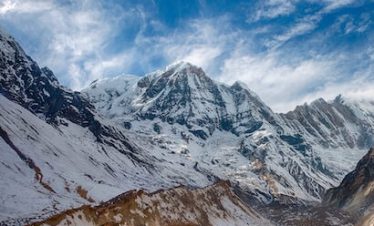
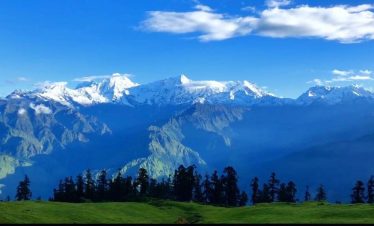
It is a sacred Himalayan pilgrimage valley situated in northern Gorkha, Nepal. ‘Tsum’ comes from the Tibetan word ‘Tsombo’, which means vivid. Traditionally, Tsum valley was a currently distinct geographical area called ‘Tsum Tso Chucksums’, which means thirteen provinces ruled as a single territory. Against the majestic backdrop of the Ganesh Himal, Sringi Himal, Boudha Himal ranges, this serene Himalayan valley is rich in ancient art, culture and religion. The local people are mostly of Tibetan origin & speak their own dialect. The altitude of Tsum Valley trek varies from 1905m in Lhokpa to over 5093m at Ngula Dhojhyang pass on the Tibatan border. The hidden valley is surrounded by the Buddha Himal and Himal chuli to the west, Ganesh Himal to the south & Sringi Himal to North.
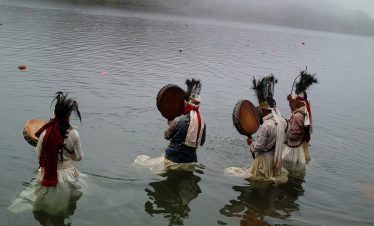
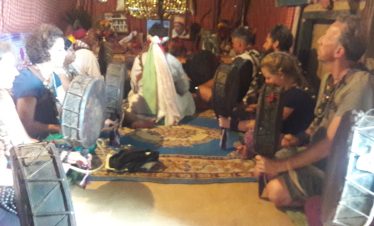
People in Tsum Valley still practice polyandry system and they have their own unique culture, tradition, & dialect. They celebrate unique festival like Lhosar, Dhacyhang, Saka Dawa,Faning & others. Many residents of this valley report that they have seen or found the signs of Mehti, commonly referred as the ‘Yeti’ or ‘Abominable Snowman’.
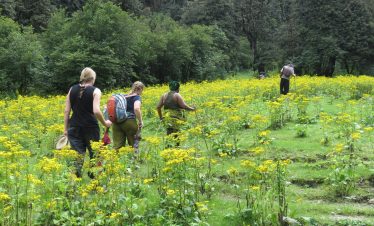
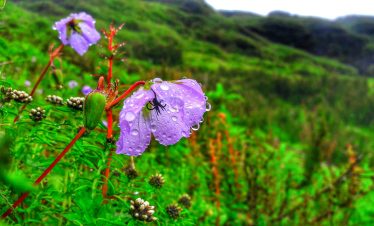
Trekking route gives the glimpses of diversity of flora & fauna, and people with different religion and cultures. On the way to Philim there are many waterfalls on both side of the Buddha Gandaki river and hundred species of birds in the forest. As you walk enjoy with songs of bird and the roaring sound of the river. Liding, Machhakhola, Jagat and Philim provide the unique hospitality with culture and religion. During this trekking the narrow valley shaping by Budhi Gandaki provides the magnificent vistas of Ganesh Himal, Shringi Himal and Himal Chuli.
Highlights
- Sacred Himalayan pilgrimage valley in northern Gorkha, Nepal.
- Rich in ancient art, culture, and religion, with Tibetan-origin inhabitants.
- Trek altitude ranges from 1,905m (Lhokpa) to 5,093m (Ngula Dhojhyang pass on the Tibetan border).
- Surrounded by Buddha Himal, Himal Chuli, Ganesh Himal, and Sringi Himal.
- Unique local culture, dialect, and polyandry practices.
- Festivals celebrated include Lhosar, Dhacyhang, Saka Dawa, and Faning.
- Reports of sightings of the Mehti ('Yeti' or 'Abominable Snowman').
Itinerary
Includes/Excludes
Cost Includes
- Airport Pick up & Drop Transportation by private vehicle
- Twin sharing accommodation at Kathmandu in 3 star hotels with breakfast
- sightseeing in Kathmandu Escorted with English Speaking Guide & Entrance fee
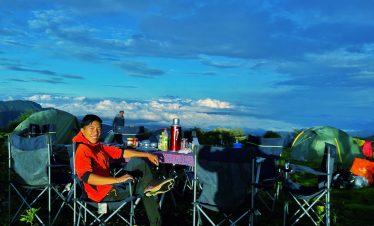
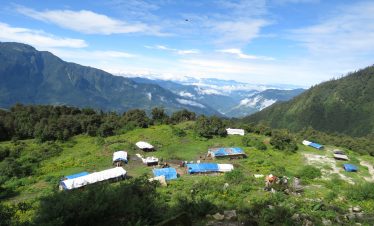
- Accommodation in tent during trek
- Private transportation & Cargo
- Meals (Breakfast, lunch, dinner) in trekking
- 4 seasonal sleeping bag
- Water
- Tea Coffee
- Trekking map for group
- All necessary paper work & Permits
- A First Aid and Eco trained & Government licensed holder English Speaking guide and required porters
- Accommodation, meals, salary, equipment, transportation & Insurance of Langtang Ri trekking staffs
- Travel & Rescue arrangement
- Experienced cook, sherpas and kitchen crew
- Tents, mattress, cooking utensils and camping equipments
- All government taxes
- Farewell dinner
Cost Excludes
- International Airfare
- Nepal Visa fee (US$ 50 per person for 30 days)
- Special restricted permit From Sept. to Nov. US$ 70 per week per person From Dec. to Aug. US$ 50 per week per person
- Airport Departure taxes/Excess baggage charges
- Transportation for members, nepali staffs & cargo
- Lunch/Dinner in Kathmandu
- Medical evacuation in case of emergency
- Personal gears & clothing (available on hire)
- Client's insurance, Items of personal nature i.e. Soft/hard drinks, Tips etc
- Expenses incurred due to mishaps, landslide, strikes, political unrest etc. In such case extra will be charged as per actual
- Anything not specfied in cost include section
Map

Essential information
The Tsum Valley Trek is an extraordinary and sacred journey through one of the most remote and culturally rich regions of the Himalayas. Nestled in northern Gorkha, Nepal, Tsum Valley is known for its stunning landscapes, ancient monasteries, and strong ties to Tibetan Buddhism. Here’s a comprehensive guide to help you prepare for this unique 19-day adventure.
General Information
Region: Tsum Valley is located in the northern part of the Gorkha district, adjacent to the Tibetan border. The region is part of the Manaslu Conservation Area, known for its pristine beauty, deep-rooted Tibetan Buddhist culture, and ancient monasteries.
Duration: This trek takes 19 days, allowing ample time for exploration, cultural immersion, and acclimatization. The journey includes visits to sacred monasteries, ancient villages, and the hidden gem of Mu Gompa.
Maximum Elevation: The highest point of the trek is Mu Gompa, sitting at 3,700 meters (12,139 feet). Though not as high as some other treks, it still requires acclimatization and preparation for high-altitude trekking.
Difficulty: The Tsum Valley Trek is moderately challenging. It involves steep ascents and descents, with long days of trekking through remote terrain. Good physical fitness and a passion for exploring cultural treasures are essential.
Best Time to Trek: The best time for the Tsum Valley Trek is during the pre-monsoon (March to May) and post-monsoon (September to November) seasons. These months offer clear weather and optimal conditions for trekking and cultural exploration. Winter can be cold, while the monsoon season brings heavy rain.
Permits and Regulations
Permits Required: To trek in the Tsum Valley, you will need the following permits:
- Manaslu Conservation Area Permit: Required to enter the conservation area, costing NPR 3,000 (USD 25) for foreign nationals.
- Tsum Valley Restricted Area Permit: This special permit costs USD 40 per week during peak seasons.
These permits are obtained in Kathmandu and must be carried throughout the trek for inspection by local authorities.
Accommodations and Meals
Accommodation: Accommodations during the trek are mainly teahouses, offering basic facilities with shared amenities:
- Teahouses/Lodges: These provide simple rooms, often with shared bathrooms. Comfort levels decrease as you go higher into the valley.
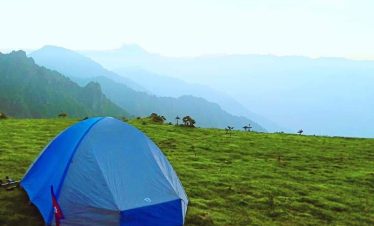
- Camping: Camping is optional but not necessary for this trek. However, some groups may choose to camp for a more immersive experience in remote areas.
Meals: Meals during the trek consist of local and basic dishes designed to provide energy for the trekkers:
- Breakfast: Common options include porridge, Tibetan bread, and tea.
- Lunch: Dal bhat (lentils with rice), noodles, and soups are typical.
- Dinner: Dal bhat is a staple, along with other local dishes like momos. Food availability decreases in variety at higher altitudes.
Health and Fitness
Fitness Level: This trek requires moderate fitness. Trekkers should be prepared for long days of walking, often on steep trails. Previous trekking experience, especially at altitude, is an advantage but not mandatory.
Acclimatization: Though not as high in elevation as other treks, acclimatization is still important. The itinerary includes rest days to adjust to the altitude and prevent altitude sickness.
First Aid: Carry a personal first-aid kit, including altitude sickness medication, pain relievers, antiseptics, and bandages. Being prepared is essential, especially in such remote areas.
Vaccinations: It’s advised to consult with your healthcare provider regarding vaccinations before traveling. Hepatitis A, typhoid, and tetanus vaccines are commonly recommended.
Insurance: Ensure you have travel insurance covering high-altitude trekking, medical emergencies, and helicopter evacuation. This is essential for safety in case of altitude-related issues.
Environmental and Cultural Responsibility
Leave No Trace: Follow the principles of Leave No Trace, ensuring you minimize your environmental impact. Carry out all waste and avoid disturbing the local ecosystem.
Respecting Local Culture: Tsum Valley is a sacred area with a strong Buddhist influence. Show respect for local customs, dress modestly, and always seek permission before photographing religious sites or local residents.
Supporting Local Communities: Hire local guides and porters, stay in local teahouses, and purchase from local vendors to support the community and promote sustainable tourism.
Transportation
Flights: The trek typically begins with a drive from Kathmandu to Soti Khola, the starting point of the trek. There are no direct flights to Tsum Valley.
Ground Transportation: A private vehicle will be used for transportation to and from Soti Khola, with the possibility of road delays due to weather or terrain conditions.
Guiding and Support
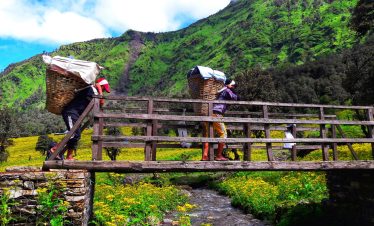
Guides and Porters: Hiring a guide is highly recommended for this trek. A local guide will provide knowledge about the cultural significance of the region, ensure your safety, and handle logistics. Porters are available to carry heavy luggage.
Guiding Method: The trek is typically fully guided, ensuring smooth transitions between accommodations, routes, and cultural highlights.
Group Size: Group sizes range from 2 to 12 trekkers. Small groups offer a more intimate experience, while larger groups may share costs and offer more camaraderie.
Communication and Connectivity
Connectivity: There is limited mobile connectivity in Tsum Valley, with some areas having no signal. Some teahouses offer Wi-Fi, though it may be slow or unreliable.
Privacy Policy
Data Collection: We collect personal information necessary for booking your trek, including passport details and emergency contacts.
Data Usage: The collected data is used for trek planning and obtaining permits. It is not shared with third parties beyond the requirements of organizing the trek.
Confidentiality: Personal data is stored securely and accessed only by authorized personnel.
Consent: By booking this trek, you consent to the collection and use of your personal data as outlined in our policy.
FAQs
How fit do I need to be for the Tsum Valley Trek? A moderate fitness level is necessary. Trekkers should be ready to walk long hours each day.
What kind of food is available during the trek? Expect local meals like dal bhat, noodles, and soups. The variety decreases at higher altitudes.
What if I experience altitude sickness? Guides are trained to handle altitude sickness. Descending may be necessary if symptoms persist.
Can I use a mobile phone during the trek? Mobile coverage is limited. Some teahouses offer Wi-Fi, but it is not always reliable.
What is the cancellation policy? Cancellation policies vary by operator. Please check the terms when booking.
This guide equips you with essential information for your 19-day Tsum Valley Trek, ensuring a well-prepared and culturally enriching adventure.
Equipment Checklist
Preparing for the Tsum Valley Trek requires careful planning and the right equipment to ensure a safe and comfortable journey through one of Nepal’s most remote and sacred valleys. Here’s a comprehensive equipment checklist tailored for the Tsum Valley Trek – 19 Days, along with tips for managing cold-related symptoms.
Clothing
Base Layers:
- Moisture-wicking underwear
- Thermal base layers (tops and bottoms made of merino wool or synthetic materials)
Mid Layers:
- Insulating fleece jacket or pullover
- Lightweight down or synthetic jacket for warmth
Outer Layers:
- Waterproof and windproof jacket (Gore-Tex or similar)
- Waterproof trekking pants
- Comfortable hiking pants and shorts for lower altitudes
Headwear:
- Warm hat or beanie
- Sun hat or cap to protect from the strong Himalayan sun
- Neck gaiter or balaclava for warmth at higher altitudes
Gloves:
- Lightweight trekking gloves
- Insulated waterproof gloves or mittens for colder conditions
Footwear:
- Sturdy, waterproof trekking boots (well-broken in)
- Camp shoes or sandals for relaxing after a long day of trekking
- Gaiters (optional, for snow or muddy paths)
- High-quality hiking socks (multiple pairs, with warm liners)
Equipment
Backpack:
- Daypack (20-30 liters) for carrying daily essentials
- Larger trekking backpack (50-70 liters) for the porters to carry your personal gear and sleeping bag
Sleeping Gear:
- Sleeping bag (3-season, suitable for temperatures down to -10°C / 14°F)
- Sleeping bag liner for added warmth
Trekking Poles:
- Adjustable trekking poles (optional but recommended for balance and support)
Water and Hydration:
- Water bottles (capacity for 2-3 liters)
- Water bladder or hydration system (optional)
- Water purification tablets or filter (essential for emergencies)
Lighting:
- Headlamp with extra batteries
Sunglasses and Sun Protection:
- UV-protective sunglasses
- Sunscreen (SPF 30 or higher)
- Lip balm with SPF protection
First Aid Kit
- Personal medications (including altitude sickness tablets like Diamox)
- Bandages, antiseptic wipes, and blister treatment
- Pain relievers, anti-diarrheal tablets, and other essential medicines
Additional Gear
Personal Documents:
- Passport with photocopies
- Trekking permits (Manaslu Conservation Area Permit, Tsum Valley Restricted Area Permit, TIMS Card)
- Travel insurance documents
Navigation Tools:
- Map of the Tsum Valley region
- GPS device or smartphone with offline maps
Camera and Electronics:
- Camera with spare batteries and memory cards
- Phone and power bank
- Adapters and chargers (Nepal uses Type C, D, and M plugs)
Toiletries:
- Biodegradable soap
- Toothbrush and toothpaste
- Toilet paper and trowel (for use in remote areas)
Snacks:
- High-energy snacks (nuts, dried fruit, energy bars)
Emergency Items:
- Multi-tool or Swiss Army knife
- Small sewing kit
- Personal identification and emergency contact information
Symptoms of Cold and How to Manage
Chilblains (Pernio):
- Symptoms: Red, itchy, or swollen skin, particularly on fingers, toes, ears, or nose.
- Management: Warm the affected areas slowly, avoid direct heat, and keep feet dry and warm. Insulated gloves are essential for hand protection.
Frostbite:
- Symptoms: Numbness, white or grayish skin, hard or waxy texture on extremities.
- Management: Warm the affected areas gradually using body heat. Do not rub or massage frostbitten skin. Seek medical attention immediately if severe.
Hypothermia:
- Symptoms: Shivering, confusion, slurred speech, drowsiness, and loss of coordination.
- Management: Move to a warmer environment, remove wet clothing, and warm the body with blankets or warm fluids. Seek medical help immediately.
Cold-Related Injuries:
- Symptoms: Pain, numbness, or tingling in extremities.
- Management: Ensure proper insulation and keep extremities dry. Use hand warmers or heat packs if needed.
Environmental and Cultural Responsibility
Leave No Trace:
- Adhere to Leave No Trace principles, including packing out waste and using biodegradable products to minimize environmental impact.
Respecting Local Culture:
- The Tsum Valley is home to Tibetan Buddhist communities with deep-rooted cultural traditions. Show respect by dressing modestly, asking permission before photographing people or religious sites, and observing local customs.
Supporting Local Communities:
- Support the local economy by hiring guides and porters from the region, staying in locally run teahouses, and purchasing goods from local vendors.