Trip Info
-
Domestic flights (Kathmandu – Lukla – Kathmandu), private ground transport
-
Minimum 2, maximum 12 members.
-
6,476 meters (Mera Peak Summit).
-
3-star hotel in Kathmandu, teahouses during the trek, tented camps at high altitude.
-
Moderate to strenuous; requires good physical fitness and prior trekking experience.
-
Day 1 in Kathmandu (1,300m).
-
Kathmandu (Day 18).
-
Spring (April-May) and Autumn (September-November).
-
English-speaking licensed Sherpa guides and climbing experts.
-
Fully guided climbing expedition.
-
English (other languages available upon request).
-
Breakfast in Kathmandu, full board during the trek (breakfast, lunch, dinner).
-
Mera Peak Climbing Permit, National Park entry permit, local area permits.
About Mera Peak Climbing (6461 M)
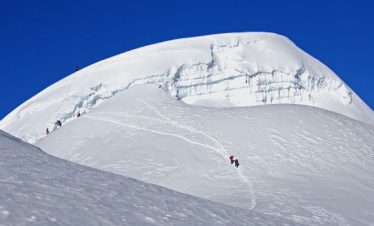
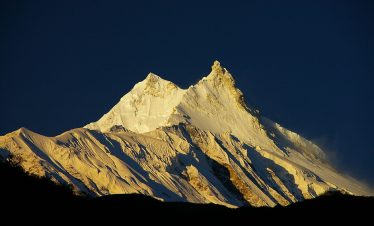
Mera Peak, standing at 6,476 meters, is one of Nepal’s highest trekking peaks, offering a thrilling adventure for climbers. The journey takes you through remote valleys, pristine landscapes, and Sherpa villages, culminating in an exhilarating climb to the summit. From the top, climbers are rewarded with a breathtaking view of five of the world’s highest mountains: Everest, Lhotse, Cho Oyu, Makalu, and Kanchenjunga. The expedition is challenging yet non-technical, making it suitable for both seasoned trekkers and adventurous novices seeking a Himalayan climbing experience.
Trip Highlights
- Stunning panoramic views from the summit of Mera Peak
- Adventurous trekking through remote and pristine valleys of the Khumbu region
- A journey through traditional Sherpa villages with rich culture and heritage
- Challenge yourself with an exhilarating but non-technical climb
- A thrilling flight to and from Lukla, one of the world’s most iconic airports
Itinerary
Includes/Excludes
Cost Includes
- Airport pick up & drop off transportation as per itinerary
- Twin /double sharing accommodation at Kathmandu in 2-3 star hotel with breakfast
- Sightseeing in Kathmandu
- Kathmandu /Ramechhap /Kathmandu private transfer
- Ramechhap to Lukla and Ramechhap flight fare for member & Nepali staff and cargo
- Accommodation in Tea House during trek and tent in Mera base camp
- Meals (breakfast with 3 cups tea and coffee in Tea House, lunch, dinner) in trekking
- All necessary paperwork and permits
- Garbage deposit
- Mera peak Climbing royalty and National park fee
- Experienced cook, and kitchen boys in base camp
- Tents, mattress and cooking utensils
- First Aid and Eco trained & government licensed holder English trekking ad climbing guide
- Trekking map for group
- Wifi and Electricity bill and hot shower
- Climbing guide insurance & his equipment’s fees
- Accommodation, meals, salary, equipment, transportation and Insurance of trekking staff
- Emergency Oxygen in base camp
- Satellite phone
- 2 Liter water per day
- Electricity bill
- One porter between two members during trek
- All government taxes
- Farewell dinner
Cost Excludes
- International Airfare
- Nepal Visa fee (US$50 per person for 30 days)
- Lunch/Dinner in Kathmandu
- Personal gears & clothing
- Medical evacuation in case of emergency
- Tips for staff
- Medical & Travel insurance
- Soft/hard drinks
- Expenses incurred due to mishaps, landslide, strikes, political unrest etc. In such case extra will be charged as per actual cost
- Anything not specified in the Cost Include section
Map
Essential information
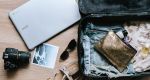
Recommended equipment list: Trekkers need to provide their own personal clothing and equipment. Some items of equipment are available for hire from us as like Down Jacket

Footwear
Well broken-in walking shoes – these must be suitable for snow, thick socks, light socks, camp shoes.
Clothing
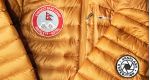
Down or fiber filled waterproof jacket and trousers, sweater or fleece jacket, underwear, warm and cotton trousers or jeans, shirts and T-shirts, shorts, long underwear, wool hat, sun hat, gloves, bathing suit, track suit.
Other equipment
Sleeping bag (5 seasons), lock, day pack, water bottle, sun cream, sunglasses, flashlight with spare bulbs and batteries, lip salve, gaiters.
Other Items
Insect repellent, toilet articles, diary, toilet roll, laundry soap, wet ones, pocket knife, towel, sewing kit, plasters, binoculars, camera, film, cards and personal medical kit.
Important Note
Itinerary and Dates: Every effort will be made to keep to the above itinerary, but as this is adventure travel in a remote mountain region, we cannot guarantee it. Weather conditions and the health of trekkers can all contribute to changes. Your guide, and their Sherpa assistants, will try to ensure that the trip runs according to plan, but please be prepared to be flexible if necessary. Our aim is to return you safely to Kathmandu in time for your departure flight booking.
Experience Required: This Trek is suitable for keen walkers who are able to walk for 6 – 7 hours each day, with a light rucksack. Some of the days are quite long, and walking feels more strenuous at altitude. Generally, the trail is a good quality, but occasionally it will be uneven and rocky.
Food & Accommodation: You will be accommodated in a teahouse each night, unless the itinerary stipulates tent camping is necessary on some nights. Teahouses are simple, locally-run guesthouses with twin-share or single rooms. Toilets and showers are of varying standards. Typical food available for lunch and dinner is Nepali rice & lentils, pasta, potato dishes, soups or pizzas. Delicious pancakes, porridge, toast and eggs are the main breakfast fare, while tea, coffee and hot chocolate are always available. You will probably be pleasantly surprised by the variety of food at the lodges.
What about our luggage: One porter will be shared between two trekking clients. Porters will carry a maximum of 12kgs per client. If you wish to, you may keep excess clothing and items in a storage room at your Kathmandu hotel.
What will the temperature be like: The weather obviously varies considerably by season and may also change drastically within a single day, particularly at high altitude. If your itinerary takes you above 3,000m need to be prepared for conditions that may range from -10 to 25 degrees on any day. Some useful weather data is available here: https://bit.ly/3vi7rHX You will also need good protections from sun and wind exposure. Contact us for a suggested trek packing list to suit your itinerary.
How much money should we bring: You will need to carry Nepali Rupee to pay for things not covered by your itinerary package. This may include bottled water; evening hot showers; additional food treats; additional hot drinks; equipment replacement or repairs; battery charging and gifts and tips. Shopping can also be done on your last day in Thamel. Talk with us in our office before departing on your trek and we can provide more advice and currency exchange.
What about Acute Mountaineering Sickness (AMS): AMS is essentially impossible to predict. Some people are affected, and other not. Only a very small percentage of people suffer serious effects. Effects may become apparent at any altitude, not just at the extremes of your itinerary.
Signs of AMS includes:
- Dizziness
- Nausea
- Headache
- Loss of Appetite
- Fatigue or weakness
- Shortness of breath
- Drowsiness
- Flatulence
- Peripheral Edema (Swelling of extremities)
- Fluctuation in body temperature
Prevention of AMS:
- Adequate rest prior to the trek.
- Adequate hydration maintained throughout the trek.
- Adequate salt and sugar in your bloodstream. So, eat plenty and don’t skip meals.
- Adequate warmth. Use clothing layers to maintain warmth without sweating excessively. Controlled and regular breathing. Breathe deeply from the diaphragm to use all your lung capacity. Try and walk to a pace that maintains controlled and steady breathing. Breathe through your nose to protect you throat from drying. Consider wearing a muff over your mouth and nose at high altitudes.
- Managed exertion. Trekking is not a race to the next pass or teahouse. Go at a constant, manageable pace, do not chase after the person in front. Keep a slow steady pace rather than pushing too hard and needing to stop frequently. Take time to enjoy the scenery.
FAQs
Prior climbing experience is not mandatory, but trekkers should have a good level of physical fitness and some trekking experience at high altitudes. Basic climbing training and acclimatization days are included in the itinerary to prepare you for the summit.
The best time to climb Mera Peak is during the spring (April-May) and autumn (September-November) seasons. These months provide the most stable weather, clearer skies, and ideal climbing conditions.
You will need a Mera Peak climbing permit, Sagarmatha National Park entry permit, and local area permits. These are arranged by the trekking company before the start of the expedition.