Trip Info
-
Private vehicle or local transport for road travel; flights from Kathmandu to Pokhara.
-
Typically 2-12 participants per group.
-
Typically 2-12 participants per group.
-
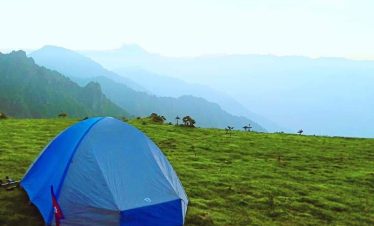
Teahouses and lodges along the trek; camping at higher altitudes.
-
Moderate; requires good physical fitness for trekking at high altitudes.
-
Kathmandu, Nepal
-
Kathmandu, Nepal
-
Spring (March to May) and Autumn (September to November).
-
Professional trekking guide with local knowledge.
-
Trekking adventure.
-
English (guides may speak other languages based on group needs).
-
All Standard meal
-
TIMS Card and Annapurna Conservation Area Permit (ACAP).
About Mardi Himal Trek
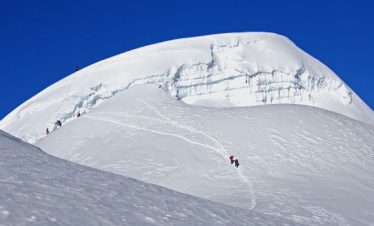
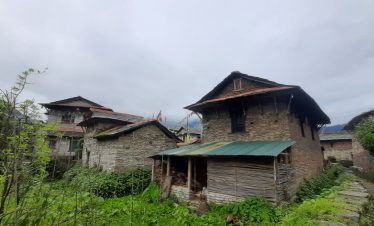
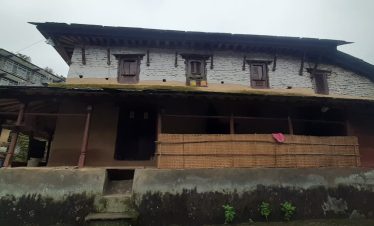
The Mardi Himal Trek is a captivating adventure located in the Annapurna region of Nepal. Spanning approximately 7-11 days, this trek provides an immersive experience in the stunning landscapes of the Himalayas. Starting from the lush forests and terraced fields, trekkers gradually ascend through picturesque villages, alpine meadows, and eventually reach the high-altitude terrain of Mardi Himal Base Camp at 4,500 meters (14,763 feet). The trek offers panoramic views of the Annapurna and Dhaulagiri ranges, including iconic peaks like Machapuchare (Fishtail Peak). Along the way, trekkers experience the rich culture of local Gurung and Magar communities and enjoy the tranquility of remote landscapes. The best times to embark on this trek are during the spring (March to May) and autumn (September to November), when the weather is generally clear and pleasant. With moderate difficulty, the Mardi Himal Trek is ideal for those with a good level of fitness and a sense of adventure.
Trip Highlights
- Diverse Landscapes: The trek starts with lush forests and terraced fields, passing through picturesque villages and ascending to alpine meadows and high-altitude terrain.
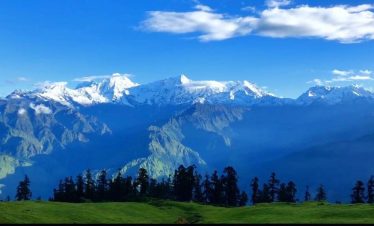
- Mountain Views: Trekkers are rewarded with panoramic views of the Annapurna and Dhaulagiri ranges, including Annapurna South, Hiunchuli, and Machapuchare (Fishtail Peak).
- Cultural Experience: Interaction with local Gurung and Magar communities provides insight into traditional mountain life and culture.
- Base Camp: The trek culminates at Mardi Himal Base Camp, offering stunning views of the surrounding peaks and a sense of tranquility.
Itinerary
Includes/Excludes
Cost Includes
- Pokhara /Kande / Pokhara Transportation Private Vehicle
- Accommodation in Normal tea house during trek
- Meals (Breakfast with 3 cup of Tea & Coffee), lunch, dinner) during trek
- Sleeping bag
- Annapurna trekking map for group
- All necessary paper work & permits
- Annapurna conservation permit fees & TIMS
- A First Aid and Eco trained & government licensed English speaking guide
- One porter between each two members during trek
- Accommodation, meals, salary, equipment, transportation & Insurance of trekking staff
- Travel & rescue arrangement
- All government taxes
Cost Excludes
- Accommodation and Lunch/Dinner in Pokhara
- Medical evacuation in case of emergency
- Personal gear & clothing
- Tips for Nepali staffs
- Medical & Travel insurance
- Soft/hard drinks
- Expenses incurred due to mishaps, landslide, strikes, political unrest etc. In such case extra will be charged as per actual
- Anything not specified in the Cost Include section

Essential information
Trekking Equipment Checklist
1. Footwear
- Trekking Boots: Waterproof, insulated, with good ankle support and sturdy soles.
- Camp Shoes: Lightweight, comfortable sandals or shoes for relaxing after trekking.
- Gaiters: To protect your legs from mud, snow, and debris.
2. Clothing
- Base Layers: Moisture-wicking long-sleeve shirts and pants for layering.
- Mid Layers: Insulating layers such as fleece jackets or down vests.
- Outer Layers: Waterproof and windproof jacket and pants.
- Trekking Pants/Shorts: Convertible pants are useful for varying weather.
- Underwear: Quick-dry underwear.
- Socks: Moisture-wicking and cushioned trekking socks; bring several pairs.
- Hat and Gloves: Warm hat and gloves (preferably waterproof and windproof).
- Sun Hat: Wide-brimmed hat for sun protection.
- Buff/Neck Gaiter: For warmth and sun protection.
3. Sleeping Gear
- Sleeping Bag: Rated for temperatures expected on the trek, preferably down-filled or synthetic.
- Sleeping Pad: For comfort and insulation from the cold ground.
- Pillow: Compressible or inflatable for added comfort.
4. Trekking Gear
- Backpack: Well-fitted, with a capacity suitable for the trek (30-50 liters).
- Day Pack: For carrying essentials during day hikes.
- Trekking Poles: Adjustable, lightweight poles to aid stability.
- Hydration System: Water bottles or hydration reservoir; ensure you can carry 2-3 liters.
- Water Purification: Filters, purification tablets, or a UV sterilizer.
- Headlamp/Flashlight: With extra batteries.
- Sunglasses: UV-protective, wrap-around design.
- Trekking Map/Guidebook: For navigation and information.
5. Personal Items
- First Aid Kit: Basic supplies including bandages, antiseptic, pain relievers, and altitude sickness medication.
- Personal Medications: Any specific prescription or over-the-counter drugs you may need.
- Sunscreen: High SPF for face and lips.
- Lip Balm: With sun protection.
- Toiletries: Biodegradable soap, toothbrush, toothpaste, and hand sanitizer.
- Towel: Quick-dry and compact.
- Camera/Smartphone: For capturing memories; ensure you have extra batteries and memory cards.
6. Safety and Navigation
- Map and Compass: Essential for navigation if you’re trekking independently.
- Multi-tool/Knife: For various uses.
- Emergency Whistle: For signaling in case of emergencies.
- Satellite Phone/PLB: For remote treks where communication is crucial.
7. Food and Cooking
- Cooking Gear: Lightweight stove, fuel, pot, and utensils (if cooking your own meals).
- Food Supplies: High-energy snacks and meals; consider pre-packaged trekking food.
- Collapsible Sink: For washing dishes if required.
8. Documentation and Money
- Passport: With necessary visas and permits.
- Travel Insurance: Proof of insurance covering trekking activities.
- Cash: Local currency for expenses; carry some extra for emergencies.
- Credit/Debit Cards: For cash withdrawals or payments.
9. Miscellaneous
- Dry Bags/Plastic Bags: To keep gear dry and organized.
- Binoculars: Optional, for wildlife or distant views.
- Notebook/Pen: For journaling or notes.
- Travel Pillow: For added comfort during transportation.
10. Optional Items
- Trekking Camera: For higher-quality photos.
- Portable Charger/Power Bank: For recharging electronic devices.
- Travel-sized Laundry Detergent: For washing clothes on the go.
- Travel Lock: For securing your backpack or luggage.
Packing Tips
- Layering: Use the layering system to adjust to changing temperatures and conditions.
- Weight Management: Keep your pack as light as possible by carrying only essential items.
- Quality over Quantity: Invest in high-quality gear that will perform well in challenging conditions.
- Test Before You Go: Make sure to test your equipment before the trek to ensure everything is in working order.
FAQs
The Mardi Himal Trek is a relatively lesser-known trekking route located in the Annapurna region of Nepal. It offers trekkers a unique experience with stunning views of the Annapurna and Dhaulagiri mountain ranges, serene landscapes, and diverse flora and fauna. The trek leads to Mardi Himal Base Camp, situated at an altitude of 4,500 meters (14,763 feet), which provides breathtaking panoramic views of the Mardi Himal, Machapuchare (Fishtail), and other surrounding peaks.
What sets the Mardi Himal Trek apart is its off-the-beaten-path nature. Unlike the more popular Annapurna Circuit or Everest Base Camp treks, Mardi Himal Trek offers a quieter, less crowded experience, allowing trekkers to immerse themselves more deeply in nature and local culture. The trek takes you through lush forests, traditional Nepali villages, and picturesque terraced fields, offering a mix of natural beauty and cultural encounters.
Additionally, the trek’s relatively short duration, usually around 7-10 days, makes it accessible for trekkers with limited time. The well-maintained trails and gradual ascent also make it suitable for those with a moderate level of fitness. Overall, Mardi Himal Trek provides a perfect blend of adventure, serenity, and cultural richness.
The best time to undertake the Mardi Himal Trek is during the pre-monsoon (spring) and post-monsoon (autumn) seasons. Specifically, the ideal months are March to May (spring) and September to November (autumn). During these periods, the weather is generally stable, and the views are clear and spectacular.
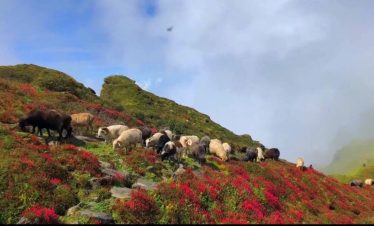
- Spring (March to May): Spring is an excellent time for trekking as the weather is pleasantly warm, with daytime temperatures ranging from 15°C to 25°C (59°F to 77°F) in lower altitudes. At higher elevations, temperatures can drop to around -5°C (23°F) at night. Spring is also when the rhododendron forests are in full bloom, adding vibrant colors to the landscape. However, the temperatures can start to rise as you approach May, so it’s crucial to prepare for fluctuating weather conditions.
- Autumn (September to November): Autumn is another favorable season for the trek. The weather is generally stable, with daytime temperatures between 10°C and 20°C (50°F to 68°F). Nights can be chilly, particularly at higher altitudes, with temperatures dropping to around -5°C (23°F). The skies are usually clear, offering excellent visibility of the Himalayan peaks. This season also provides a great opportunity to experience traditional festivals and cultural events in local villages.
During the monsoon season (June to August), the trails can be muddy and slippery, and there is a higher chance of rain, which can cause landslides and make trekking conditions challenging. Winter (December to February) can be very cold, with heavy snowfall at higher altitudes, making some parts of the trek difficult to access. If you choose to trek during the winter, be prepared for harsh weather conditions and ensure you have appropriate gear.
For the Mardi Himal Trek, you will need the following permits and documentation:
- Annapurna Conservation Area Permit (ACAP): The Mardi Himal Trek falls within the Annapurna Conservation Area, so you are required to obtain the ACAP permit. This permit is essential for maintaining and preserving the natural environment of the region. The cost of the ACAP permit is approximately USD 30.
- Trekkers’ Information Management System (TIMS) Card: The TIMS card is mandatory for all trekkers in Nepal to ensure safety and track the number of trekkers in the region. The TIMS card helps in maintaining records for rescue operations and monitoring tourist activities. The cost of the TIMS card is about USD 10 for individual trekkers and USD 5 for group trekkers.
Both the ACAP permit and TIMS card can be obtained through a registered trekking agency in Nepal or at the Nepal Tourism Board office in Kathmandu or Pokhara. It is advisable to arrange these permits before starting your trek, although some trekking agencies can assist in obtaining them on your behalf.
Make sure to carry your original passport, passport-sized photographs, and a copy of your travel insurance when applying for these permits. Additionally, it is a good practice to keep copies of your permits and other important documents in a separate place during your trek.
By ensuring you have the required permits and documentation, you will be able to enjoy a smooth and hassle-free trekking experience in the beautiful Mardi Himal region.