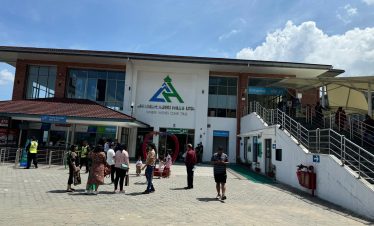
Nepal, a country of incredible natural beauty, rich history, and diverse culture, offers a unique blend of Himalayan vistas, ancient temples, and vibrant urban life. This 7-day tour through the Kathmandu Valley, Pokhara, and Nagarkot offers an immersive experience of Nepal’s cultural heart and some of its most famous sights. Whether you’re looking to explore ancient temples, witness the beauty of the Annapurna range, or simply enjoy the tranquility of Pokhara’s lakes, this itinerary covers the best that Nepal has to offer. Below, you’ll find all the essential details to prepare for your journey, including important travel facts, accommodation details, local culture, and practical tips to ensure you have an unforgettable trip.
1. Nepal Overview
Nepal, nestled in the heart of the Himalayas, is a landlocked country bordered by China to the north and India to the south, east, and west. Despite its small size, Nepal is known for its incredible natural beauty, home to eight of the world’s 14 highest peaks, including Mount Everest, the tallest mountain on earth. The country is also a cultural gem, with a history dating back thousands of years and a rich tapestry of diverse ethnic groups, languages, and traditions.
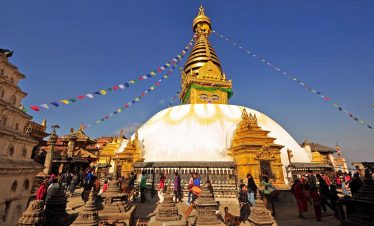
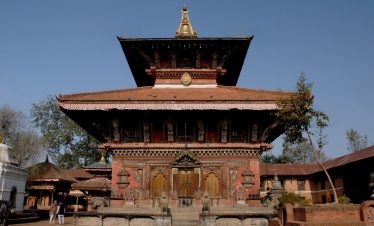
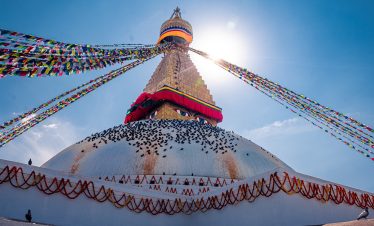
Kathmandu, the capital city, is the starting point for many tours. Known as the “City of Temples,” Kathmandu is a UNESCO World Heritage site filled with ancient shrines, stupas, and palaces. Beyond Kathmandu, Pokhara offers stunning views of the Annapurna range and serene lakes, while Nagarkot provides breathtaking views of the Himalayan peaks, especially at sunrise and sunset.
Nepal is a relatively small country in terms of geographic size but is filled with a wealth of natural and cultural treasures. From the verdant lowlands of the Terai to the towering peaks of the Himalayas, Nepal offers an unparalleled travel experience. The nation’s diverse landscape allows visitors to enjoy everything from mountain trekking to cultural exploration in the heart of Kathmandu.
2. Climate and Best Time to Visit
Nepal’s climate varies dramatically depending on the region. The capital, Kathmandu, experiences a subtropical climate, with warm summers and mild winters. The winter months (December to February) can be chilly, especially in the mornings and evenings, but are still ideal for sightseeing as the weather is generally dry and sunny.
The spring (March to May) and autumn (September to November) months are considered the best times to visit Nepal. These seasons offer pleasant temperatures, clear skies, and excellent visibility of the Himalayan peaks. The summer months (June to August) bring the monsoon season, which can disrupt travel plans due to heavy rain and mudslides, particularly in the mountainous regions. However, the Terai region remains relatively dry during the monsoon season.
For the best experience during your 7-day tour, consider traveling in the spring or autumn. During these seasons, the weather will be comfortable for sightseeing and outdoor activities.
3. Language and Communication
Nepal’s official language is Nepali, but English is widely spoken, especially in urban areas and among tour operators, guides, and hospitality professionals. Most of the signage in Kathmandu, Pokhara, and other tourist destinations is in both Nepali and English. In more remote areas, you may encounter fewer English speakers, but communication can usually be facilitated with a guide who speaks English.
Although Nepali is the dominant language, Nepal is a multilingual country with over 120 languages spoken across the various ethnic groups. These include languages such as Maithili, Bhojpuri, and Tharu, among others. However, for most travelers, English will be sufficient for navigating your way through urban centers and for communication with guides and tour operators.
4. Cultural Etiquette and Customs
Nepal is a culturally rich country with strong Buddhist and Hindu traditions. Understanding local customs and etiquette is important to ensure respectful interactions with locals.
Greetings: The traditional greeting in Nepal is the “Namaste” (pronounced nah-mah-stay), which involves bringing the palms of your hands together in a prayer position at chest level and bowing slightly. This is both a respectful and welcoming gesture.
Dress Modestly: Nepalese culture emphasizes modesty, particularly when visiting religious sites. It is important to dress conservatively. When visiting temples or monasteries, both men and women should cover their shoulders and knees. Women may also want to carry a scarf or shawl to cover their heads when entering temples.
Shoes Off Indoors: It is customary to remove your shoes before entering homes, temples, and some hotels or restaurants. You’ll likely be reminded to take your shoes off when entering such places.
Respect for Elders: Nepalese society holds elders in high regard, and it is important to show them respect. When addressing older individuals, use titles such as “Dai” (brother) or “Didi” (sister) for a more respectful interaction.
Photography: Always ask for permission before taking photos of people, especially in rural or religious areas. Some temples and holy sites may prohibit photography altogether, so be mindful of any restrictions.
Religious Sensitivity: Nepal is home to both Hindus and Buddhists, and religious sites are sacred to the locals. Be respectful of their beliefs and practices. When visiting temples, do not touch religious idols, and refrain from stepping on prayer rugs.
5. Health and Safety
While Nepal is a relatively safe country to visit, there are a few health and safety considerations to keep in mind before and during your trip:
Vaccinations: It’s recommended to check with your healthcare provider about vaccinations before traveling to Nepal. Common vaccinations for travelers include Hepatitis A, Hepatitis B, Typhoid, and Tetanus. Make sure your routine vaccinations are up to date, and consider vaccination for diseases such as Japanese Encephalitis, particularly if you plan to visit rural areas.
Altitude Sickness: If you’re planning to trek at higher altitudes (above 2,500 meters), be aware of the risk of altitude sickness. While this tour doesn’t go above 2,500 meters, it’s still important to stay hydrated, rest, and take it slow. Symptoms of altitude sickness can include dizziness, headache, and nausea, and it’s advisable to descend to lower altitudes if these symptoms appear.
Travel Insurance: It is highly recommended to purchase comprehensive travel insurance that covers both medical emergencies and trip cancellations. Make sure your insurance covers evacuation in case of an emergency.
Tap Water: Tap water in Nepal is generally not safe to drink. Always buy bottled water or purify the water using a filter or purification tablets.
Food and Water Safety: Food in tourist areas is generally safe to eat, but if you have a sensitive stomach, it’s advisable to eat cooked food and avoid raw vegetables or street food. Stick to well-established restaurants and hotels that are known for hygiene standards.
Emergency Services: In the case of an emergency, the police can be reached by dialing 100. Ambulance services are also available, but for remote areas, evacuation by helicopter may be necessary in case of serious illness or injury.
6. Money and Currency
Nepal’s official currency is the Nepalese Rupee (NPR). Foreign currencies can be exchanged at international airports, banks, or money exchange counters in Kathmandu and Pokhara. Credit cards are widely accepted in larger hotels, restaurants, and shops, but it’s always a good idea to carry cash, especially when traveling to smaller towns or rural areas.
ATMs are available in major cities, but it’s important to note that they may not always accept international cards or dispense large amounts of cash. Always have some spare cash for emergencies.
Tipping is common in Nepal, though not mandatory. A tip of around 10% is appreciated in restaurants, and porters or guides can be tipped based on their services.
7. Packing Tips
Packing for Nepal largely depends on the time of year and the activities you plan to engage in. Since this is a cultural and sightseeing-focused tour, here’s a general packing list:
Clothing: Pack light, comfortable clothing for sightseeing, with layers for cooler mornings and evenings. Include a light jacket for cooler evenings, particularly in the hill areas of Pokhara and Nagarkot.
Comfortable Shoes: Bring comfortable walking shoes for sightseeing and hikes, as well as flip-flops for the evenings.
Sun Protection: Nepal’s high altitude means the sun can be intense. Pack sunscreen, sunglasses, and a hat for protection.
Medication: If you have any specific medical needs, be sure to bring enough of your prescribed medication. It’s also a good idea to carry a basic first-aid kit with pain relievers, bandages, and antiseptic creams.
Camera and Electronics: Bring a camera for the stunning landscapes and cultural sites. If you plan on using your phone or camera often, consider bringing a power bank or portable charger.
8. Local Cuisine and Food
Nepali cuisine is diverse and influenced by both Indian and Tibetan cooking traditions. Meals are typically simple but flavorful, with a focus on rice, lentils, and vegetables. Some staple dishes include:
Dal Bhat: A traditional Nepali meal consisting of rice (bhat) and lentil soup (dal). It’s served with vegetables, chutney, and sometimes meat.
Momo: Nepali dumplings, often filled with meat or vegetables, and steamed or fried.
Thukpa: A hearty noodle soup, often served with vegetables and meat.
Sel Roti: A traditional rice doughnut, commonly enjoyed during festivals and
FAQs (Frequently Asked Questions)
Here are some common questions you may have when preparing for your 7-day Nepal tour. These FAQs cover various aspects of the trip, including health, culture, and logistics, to help you have a smooth and enjoyable journey.
1. What is the best time to visit Nepal for sightseeing?
The best time to visit Nepal for sightseeing is during the spring (March to May) and autumn (September to November) months. These seasons offer pleasant weather, clear skies, and excellent visibility of the Himalayan peaks. The summer (June to August) brings monsoon rains, which can affect travel plans, while the winter (December to February) can be cold, particularly in the mornings and evenings, but still great for sightseeing.
2. Do I need a visa to visit Nepal?
Yes, most travelers require a visa to enter Nepal. However, citizens of certain countries can obtain a visa on arrival at the Tribhuvan International Airport in Kathmandu or at various land border crossings. The visa is typically issued for a stay of 15, 30, or 90 days. It’s important to check the latest visa requirements before traveling to ensure you have the necessary documents.
3. What is the currency used in Nepal?
The official currency of Nepal is the Nepalese Rupee (NPR). While major cities like Kathmandu and Pokhara have ATMs where you can withdraw cash, it’s recommended to carry enough cash for smaller towns or more remote areas. Foreign currencies can be exchanged at banks, money changers, or exchange counters in airports and hotels.
4. Is Nepal safe for tourists?
Yes, Nepal is generally safe for tourists. The country is known for its welcoming people, and many tourists visit each year without encountering any issues. However, as with any destination, it’s important to stay alert, particularly in busy areas, and follow local safety guidelines. In case of emergencies, the police can be reached by dialing 100.
5. What should I pack for a 7-day Nepal tour?
For a cultural and sightseeing tour in Nepal, pack light, comfortable clothing, including layers for cooler evenings, especially in places like Nagarkot and Pokhara. You’ll also need comfortable walking shoes for exploring temples and towns. Don’t forget sunscreen, sunglasses, a hat, and any necessary medication. A camera to capture the beautiful scenery and a power bank for charging your devices are also good to bring.
6. What is the food like in Nepal?
Nepali cuisine is simple yet flavorful, with rice, lentils, and vegetables forming the backbone of most meals. Popular dishes include Dal Bhat (rice and lentil soup), Momo (Nepali dumplings), and Thukpa (noodle soup). Street food is also available in some areas, though it’s advisable to eat at well-established restaurants to avoid any stomach issues. Vegetarians will find a variety of options available.
7. Can I use my credit/debit card in Nepal?
Credit and debit cards are accepted in most larger hotels, restaurants, and shops in major cities like Kathmandu and Pokhara. However, in smaller towns or rural areas, cash is preferred. It’s a good idea to carry some cash with you, especially if you’re traveling to less urbanized regions. ATMs are widely available in cities, but they may not always accept international cards.
8. What is the altitude in Nepal, and should I be concerned about altitude sickness?
Nepal is a country of varying elevations, and altitude sickness is a concern if you are traveling to high-altitude areas. However, since this itinerary focuses on Kathmandu, Pokhara, and Nagarkot, none of these locations reach high altitudes (above 2,500 meters). While these areas are relatively safe, it’s still important to stay hydrated, avoid excessive exertion, and rest when needed.
9. How do I get around in Nepal?
In urban areas like Kathmandu and Pokhara, you can get around using taxis, local buses, or rickshaws. It’s also common to hire private vehicles with a driver for more convenience and comfort, especially for tours. If you’re traveling from Kathmandu to Pokhara or Nagarkot, domestic flights are available, but the most common and affordable way is by private vehicle or tourist bus.
10. Is tap water safe to drink in Nepal?
Tap water in Nepal is not safe to drink. It is recommended to buy bottled water or use water purification tablets or filters. Many hotels and restaurants provide bottled water or filtered water for guests. Always ensure that the water you consume is properly purified to avoid any stomach issues.
By understanding these aspects of your trip, you’ll be better prepared for your 7-day Nepal tour. Each destination offers something unique, from the bustling streets of Kathmandu to the tranquil lakes of Pokhara, and Nagarkot’s stunning Himalayan views. Keep these tips in mind and enjoy a safe and enriching travel experience!